
SUMMARY
From the Home to Universal Health Care
The “House-to-House Healthcare” program has provided 24.8 million consultations and is helping 818,000 patients with chronic conditions manage their health. In addition, a network of 12,750 clinics is being established, and starting in January, the exchange of services between healthcare institutions will begin.
Public Health Is Regaining Its Capacity
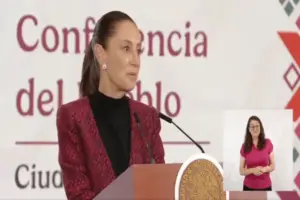
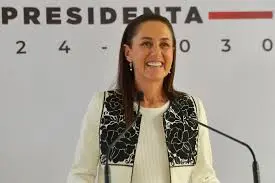
In two years, 33 hospitals were opened, and over 3.18 billion doses of medications and medical supplies were delivered. The Mexican Social Security Institute (IMSS) added 32,000 employees to its rolls; IMSS-Bienestar will provide more than 60 million consultations, and the number of surgeries will have increased by 25%. President Claudia Sheinbaum explained that “we are now reversing 36 years of neglect and moving forward.”
Mexico Defends Its Interests in the USMCA
Mexico is maintaining its dialogue with the U.S. government to avoid new tariffs and reduce those applied to steel, aluminum, and automobiles. Sheinbaum noted that no agreement has been finalized yet but added that “we are interested in economic integration, but always with (respect for national) sovereignty.”
Ayotzinapa: The Investigation Remains Open
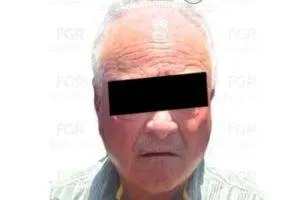
Twelve years after the forced disappearance of the 43 Ayotzinapa teacher training college students, new leads have identified 17 individuals under investigation, and 30 new suspects have been arrested, according to the government. The President reiterated that “we will not stop investigating until justice is served and we find the (missing) young people.”
There Is No “Anti-Meme Law”
Sheinbaum dismissed the notion that the anti-piracy reform seeks to ban memes or limit what is posted on social media. Rather, it aims to combat piracy and the improper commercial use of official symbols. She clarified that the reform seeks to prevent the private commercialization of official symbols.