SUMMARY
Intentional Homicides Drop 30% in Michoacan
Thanks to the National Security Strategy and the Michoacán Plan for Peace and Justice, intentional homicides dropped 30% between October and December 2025, making 2025 the year with the fewest homicides since 2016.
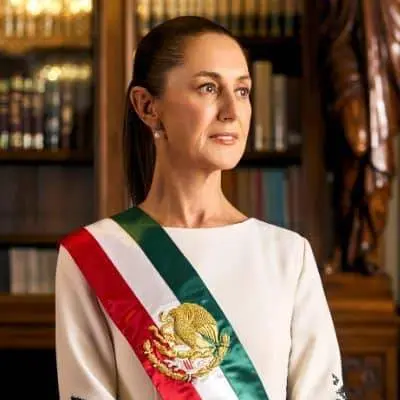
President Claudia Sheinbaum noted that the results come from addressing the root causes and ensuring zero impunity, a strategy reflected in a national 40% reduction in intentional homicides.
Education, Wellbeing, and Investment Advance in Michoacán
In Michoacán, the Gertrudis Bocanegra scholarship/stipend program was launched, with over 44,000 young people enrolled, who will receive their first financial support this month, alongside expansions of high schools, openings of new campuses, and investment in universities.
The Wellbeing Development Hub in Zinapécuaro also was launched, with public and private work projects that will boost investment, jobs, and regional growth.
Mexico to Send Humanitarian Aid to Cuba by Monday at Latest
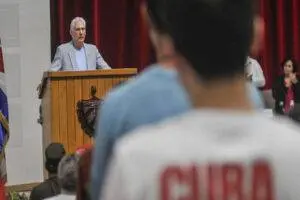
Sheinbaum announced that humanitarian aid, mainly food and basic supplies, will be sent to Cuba by Monday at the latest. The President noted ongoing diplomatic efforts to resume oil shipments to Cuba without Mexico facing sanctions, but made clear that solidarity doesn’t stop and humanitarian aid comes first.
Mexico Doesn’t Accept Slanders: Sheinbaum Debunks The New York Times
The President refuted The New York Times with facts. Results in public security wouldn’t be possible if there were pacts with organized crime. She compared data from previous presidential administrations. Under Calderón, intentional homicides rose from a daily average of 28.6 to 70.9; under Peña Nieto, from 63.2 to 100; now they have dropped from 91.7 to 64. Sheinbaum reaffirmed that accusations without proof are not valid, and that the strategy remains firm, namely to address root causes of crime and zero impunity.
1944 Water Treaty: Mexico Fulfills Commitments
Mexico is complying with the Water Treaty with the United States. The President noted that the country has already fulfilled its part in cleaning up the Tijuana River, while the U.S. has pending tasks in San Diego. Water delivery will be gradual, prioritizing human consumption and irrigation modernization in Mexico’s northern states.